Around the World
A tour of deep sea mining updates
Perhaps one of the most interesting things about the deep sea mining debate is how very global it is.
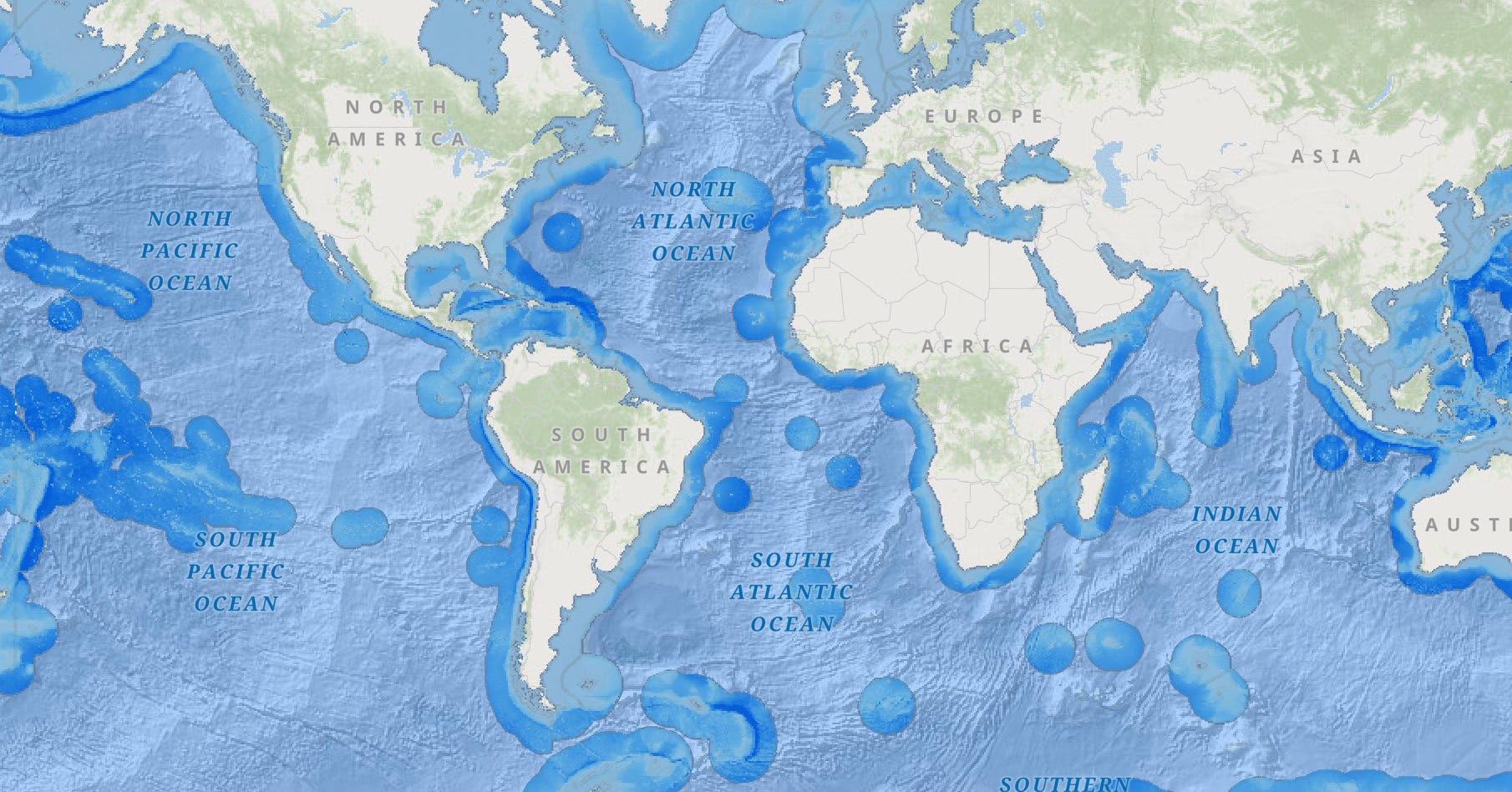
If a country has a coastline, it’s almost certainly in charge of some deep sea. (This interactive map can help visualize it. Clicking on a country’s offshore area shows you how much deep sea it has: for example, 75 percent of US-controlled ocean is deep sea.) And if a country controls a swath of deep sea, it can explore the possibility of mining that seabed.
But even countries without coastlines can explore deep sea mining, through the International Seabed Authority (ISA), which oversees more than half of the global seafloor (though it’s not all on the table for mining). In the coming years, those ISA-approved exploration opportunities may become extraction opportunities.
So, let me take you around the world with some updates on the global debate.
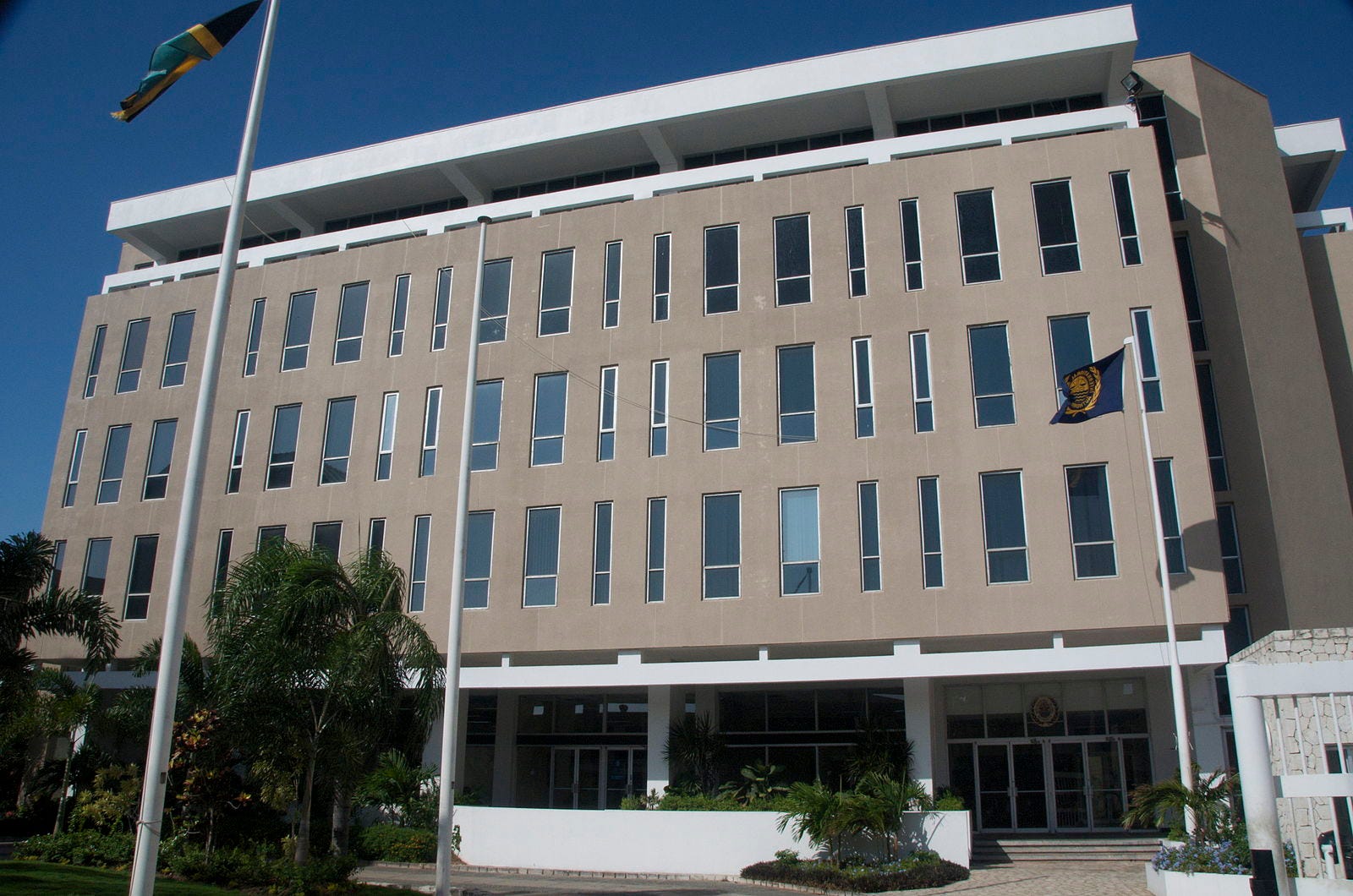

The ISA, at its Jamaica headquarters, recently wrapped up the latest international meeting to hammer out deep sea mining regulations, so the eager industry can start mining deep sea metals for real. Those regulations still aren’t finished, but are getting closer.
In opening remarks for an ISA meeting day, the president of Palau made strong statements against deep sea mining. He suggested that the ISA be transformed into a marine environment protection agency, rather than a deep sea mining regulator.
“[Deep sea mining] is colonialism by another name, economic imperialism, where multinational mining companies prioritize profits over the well-being of our people and ecosystems,” he said. “Let us not leave Jamaica having granted the mining industry a license to colonize the common heritage of humankind and destroy our greatest ally in our fight against climate change – our ocean.”
At the same July ISA meeting, Austria, Guatemala, Honduras, Malta, and Tuvalu all joined the call for an international moratorium, or temporary pause, on deep sea mining. However, there are notable differences in how the countries interpret “moratorium”. For example, Guatemala supports a pause only until international mining regulations are finished. But Tuvalu supports a pause until it’s been shown that mining won’t damage the ocean (if such a thing can be demonstrated). Thirty-two countries now support an international moratorium, though there’s no indication that the ISA will implement one.
At the ISA meeting, countries including Chile and Vanuatu lead a push to prioritize discussing “a general policy of the Authority for the protection and preservation of the marine environment.” So far, environmental policy is discussed by a smaller council within the ISA, rather than by the full assembly. That smaller council is also hammering out the precise mining regulations.
Other countries, including Saudi Arabia and China, argued against making environmental protections a discussion priority for the full assembly, because it would take more time to discuss them. Ultimately, said the ISA, “it was agreed that there was no consensus on the need to proceed with the development of such environmental policy.” (To agree on a lack of consensus really feels like one of those silly bureaucratic things you’d find in a Douglas Adams novel.)
In the US, more than 50 organizations, from the National Aquarium to clothing company Patagonia, signed a letter asking President Biden to implement a country-wide moratorium, and to block any US use or sale of seabed minerals from other countries. Meanwhile, American Samoa implemented a moratorium in its own waters.
Japan extended its continental shelf eastward, laying claim to more seabed with valuable metals and minerals. This echoes a similar expansion by the US last year, which also covered mineral-rich areas. But Japan is much closer to actively mining its seabed than the US is.
Coastal First Nations of Canada designated a new marine protected area off the country’s west coast. This section of ocean, four times as large as Vancouver Island, is now off-limits to deep sea mining and other resource extraction. It contains some amazing features, including 47 seamounts, and all the known hydrothermal vents in Canadian waters.
The deep sea mining pendulum swings back and forth. Some countries are moving full speed ahead toward the nascent industry and its potential profits. Others are resisting it for its potential environmental damage. And many countries are self-contradictory. For example, Brazil supports a 10-year moratorium, but also supported its candidate Leticia Carvahlo (who has shown no interest in a moratorium) in becoming the new ISA secretary-general.
So, the race is on. Who will be the first to mine the deep sea? Or will the industry first collapse under its own high expenses and uncertainty?
As countries debate across borders, the oceans remain borderless, of course. Humans draw lines on maps, designating exclusive economic zones and maritime boundaries. But marine life obeys no such rules. It lives where it needs to live, and goes where it needs to go.
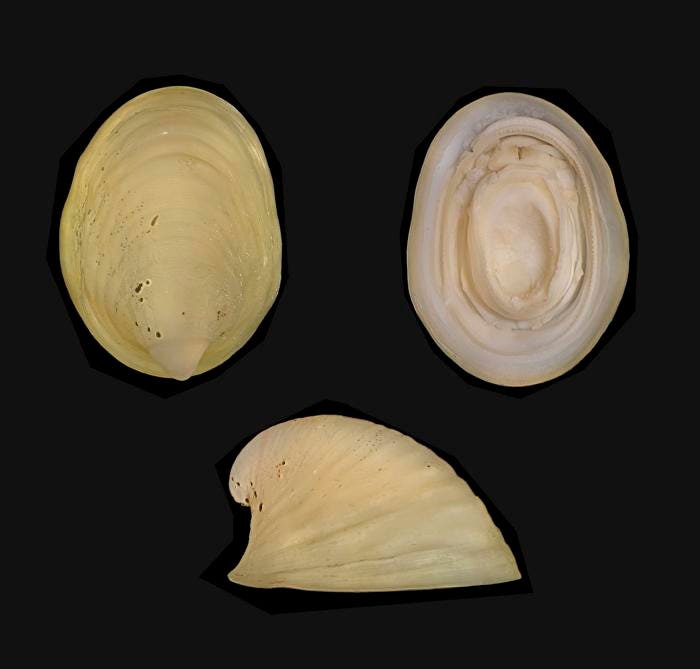
Scientists estimate some two million species may live in the oceans, of which only a few hundred thousand have been officially described by science. Recently discovered species include a limpet with a crinkled shell that lives only on hydrothermal vents, and a long-tailed purple sea cucumber.
While countries debate mining the deep sea, these creatures are quietly going about their deep sea lives – alongside many creatures we’ve yet to discover.