Deep Sea Mining for the Holidays
Industry progress in the US
The US loves to slip in deep sea resource announcements during the holiday season. (Remember that time the Biden administration claimed 385,000 more square miles of seabed, right before Christmas in 2023?)

This year, the holiday news is that the country is moving forward on considering two applications by The Metals Company (TMC) for deep sea mining exploration permits.
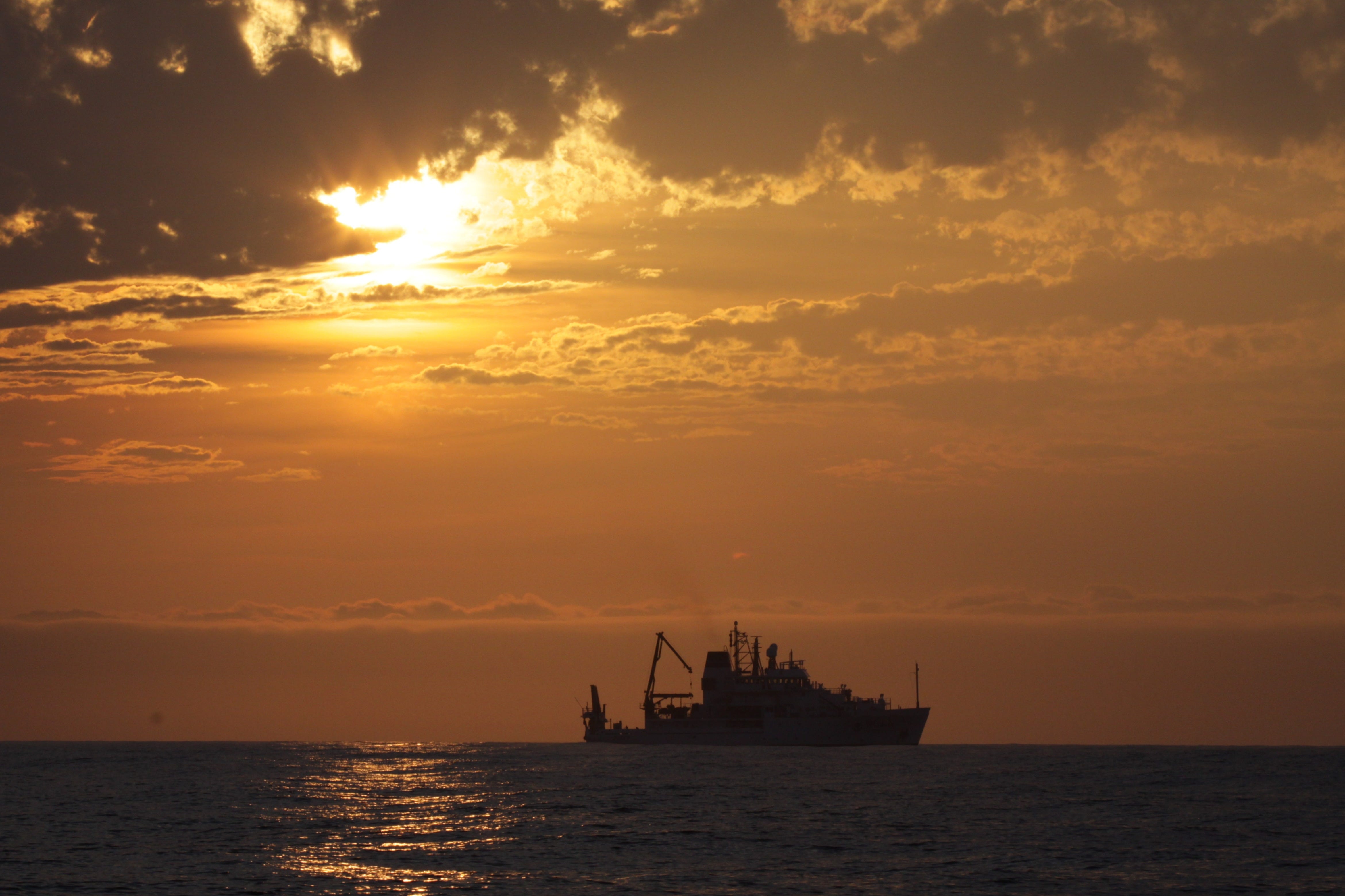
These licenses would grant TMC permission to explore deep sea mining in international waters, deep within the Pacific, far beyond US borders. Many countries think the US has no right to give that permission. But the US, of course, tends to do what it wants.
As part of considering the applications, the government has published both of TMC’s application documents. If you’re so inclined, you can download and read them here, and here. They’re quite long, although most of the pages are appendices with supporting information.
Interestingly, TMC requested that several sections of the applications be kept confidential, so competitors wouldn’t see what they’re up to. But the government decided to make them public anyway, minus a few redactions.
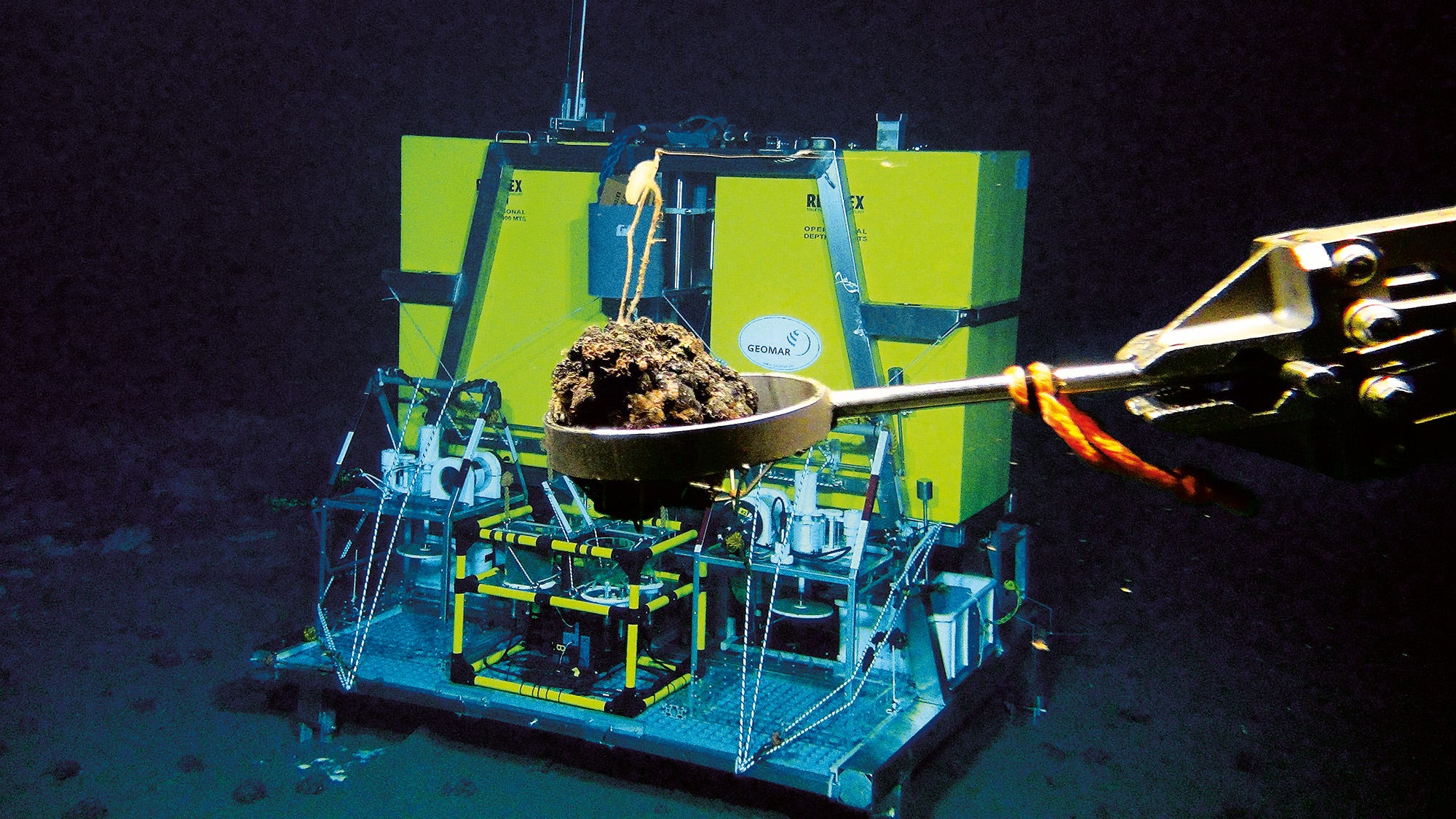
In TMC’s words, the exploration plans involve “intermittent, small-scale exploratory studies to characterize the application area’s resource and environmental baseline where historical studies have not already done so.”
I’ve read through the documents myself. Both applications are quite similar, mostly containing TMC’s arguments for its ability to carry out the exploration plans, without significantly affecting the environment or other maritime industries. Notably, these plans don’t involve any test mining – only research. After completing this research, TMC would then seek permission to actually mine in each exploration zone. So, the research itself likely wouldn’t have any significant environmental impacts, but would bring true commercial deep sea mining a bit closer to actuality.
If you’d like, you can make a public comment to the US government on each exploration licensing plan here, and here. You don’t have to be a US citizen to comment. Click the blue Open for Comments button, and then you’ll see a Comment button that allows you to submit yours. Comments can be submitted until the 23rd of February.
You can also sign up for one of two online public hearings, scheduled for the 27th and 28th of January, here. Each hearing will cover both exploration license applications, so you can choose just one date to attend. The public hearings offer a chance to make a comment orally, instead of in writing. But even if you don’t speak, it can be interesting to attend and hear what others say.
(More details on all of the above options are also published in the US Federal Register.)
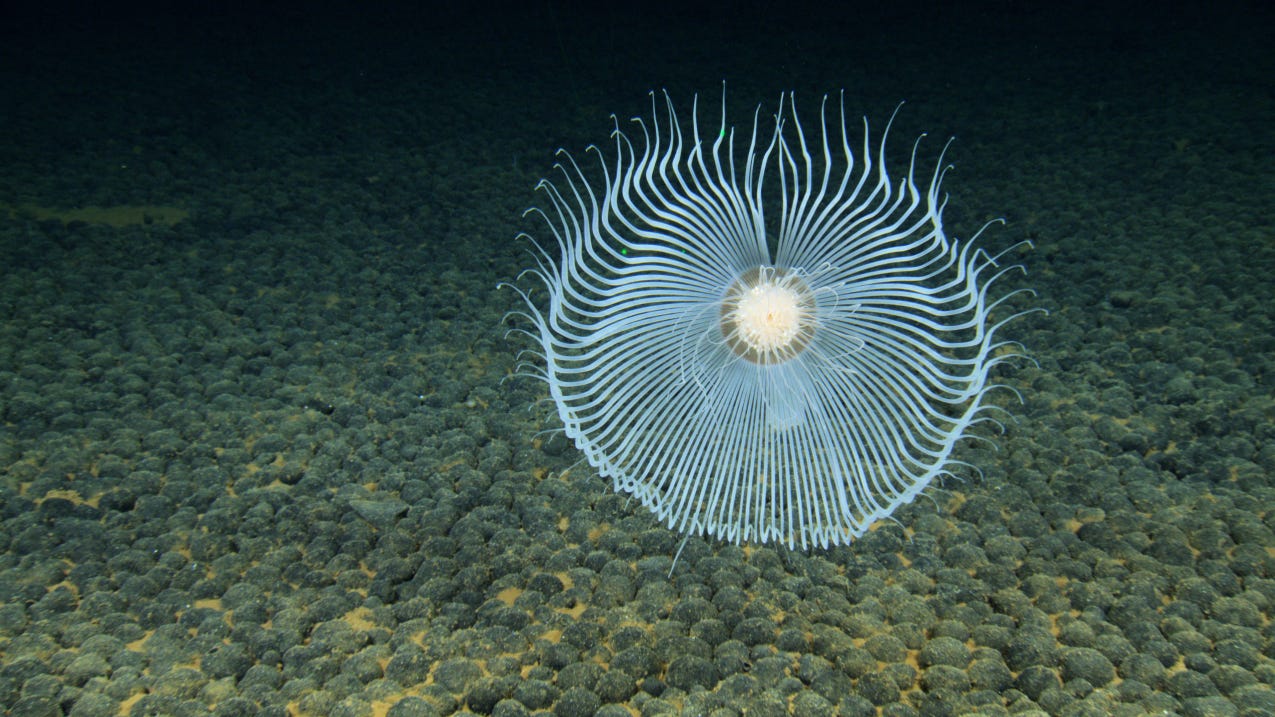
If you’re reading this, you probably know that deep sea mining involves cool robots, ambitious plans for mineral wealth, and the mysterious setting of the deep, dark seabed. (TMC itself notes that its exploration area is an “ecologically sensitive and poorly understood region of the deep ocean.”) But fascinating as the deep sea mining industry is, it’s also quite dull and bureaucratic. There’s a lot of paperwork, a lot of regulations, a lot of red tape.
By keeping an eye on these boring bureaucratic steps, we can see what direction the nascent industry is moving in.
In the US, that direction is very much forward. The Trump administration clearly digs deep sea mining. In 2026, we’ll see whether that forward momentum has staying power.
Thanks for sharing this and for including the links for public comment. We need environmentally friendly technologies and a better understanding of ecosystem impacts. Deep-sea mining could reduce land-based mining, but it’s worth being careful that we don’t just shift the environmental burden from land to the ocean.