Discovering the Deep
New ways to understand life
A scientist I spoke to last year told me that on almost every deep sea research expedition he’s been on, there’s been a new discovery of some sort. Maybe an unexpected hydrothermal vent, or a new species in a sponge ground. It’s only natural that we find new things in places no one has been before – and no one has been to most of the deep sea.
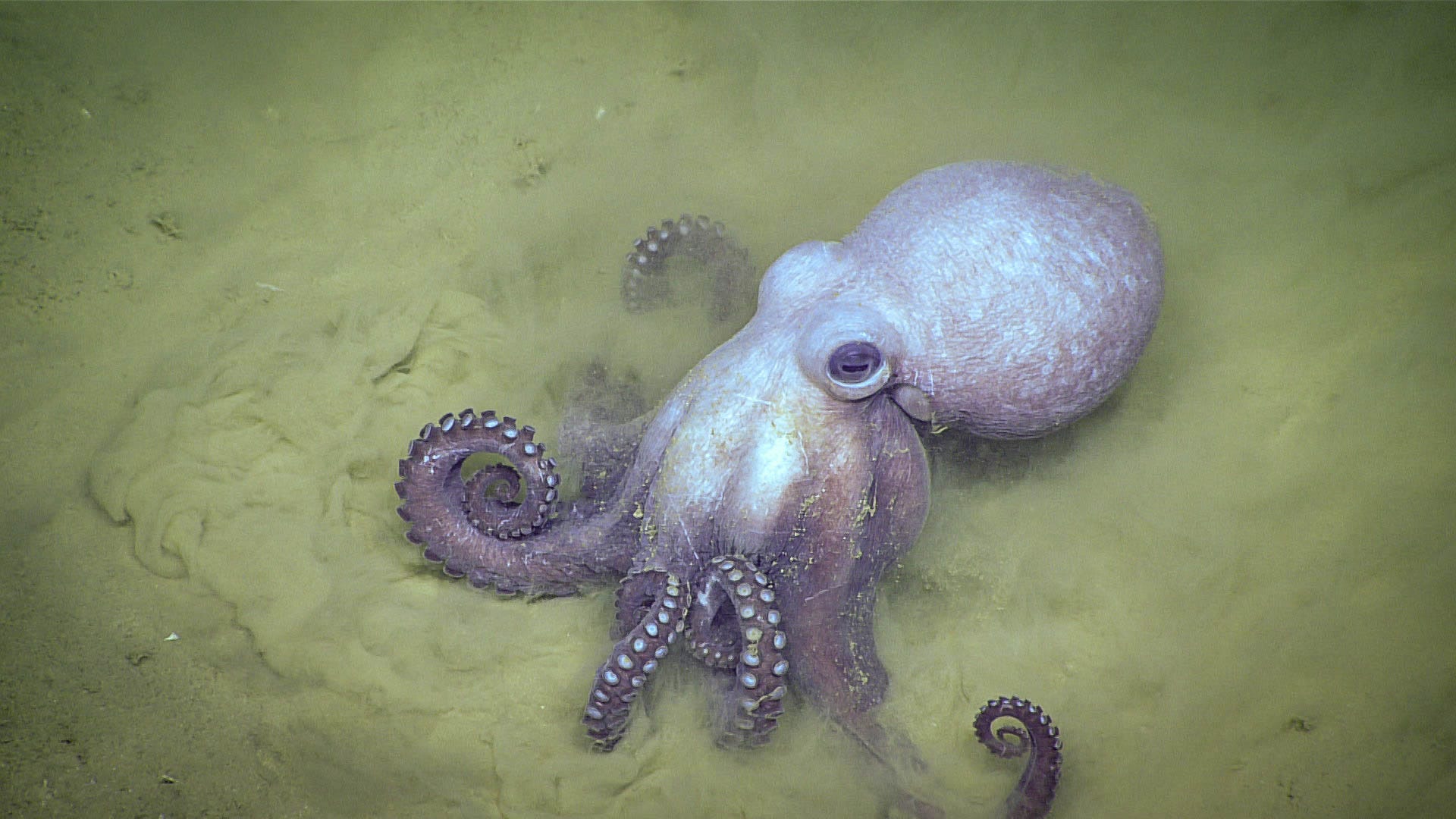
Schmidt Ocean Institute scientists recently found four new species of deep sea octopus in the Pacific near Costa Rica. The expedition followed up on last year’s discovery of a new octopus nursery, where octopuses lay their eggs in the relatively warm water at low-temperature hydrothermal vents.
Turned out, the vent-hatching octopuses were a new species, while three other new species were discovered nearby. This follow-up expedition confirmed that the octopus nursery stays active all year. The team also found lots of other cool stuff, like whale fossils and 15-million-year-old seafloor sediment.
Hydrothermal vents start along deep sea ridges, where volcanic activity forces super-hot liquid through the seafloor. Over time, as new seafloor grows from Earth’s crust, those vents get pushed away from the ridge, like on a super-slow geologic conveyor belt. They gradually become less hot, and eventually turn inactive, with no more fluid pumping out. Then, after enough time, they get buried under seafloor sediment and considered extinct.
But it’s not a straightforward process. Inactive vents can reactivate, for example. Not only that, but inactive vents can host life long after the hot fluid stops flowing.
The ecosystems at low-temperature and inactive vents are even less well understood than other parts of the deep sea. These kinds of vents are hard to find: without super-hot fluid, there’s not much to track them with. But as we discover them, we’re discovering that they’re not just lifeless outcroppings.
A team of researchers recently found that primary productivity at inactive vents is comparable to that at active vents. Primary productivity is how energy enters the food web. Through photosynthesis above, and chemosynthesis in the deep sea, primary producers like plants and microbes turn sunlight and chemicals into energy. (Scientists believed life on Earth depended on sunlight until 1977, when vent ecosystems were discovered.)
This energy forms the basis for all life, as those plants and microbes get eaten by other living things. So, primary productivity allows inactive vents to support ecosystems of their own – which we know hardly anything about.
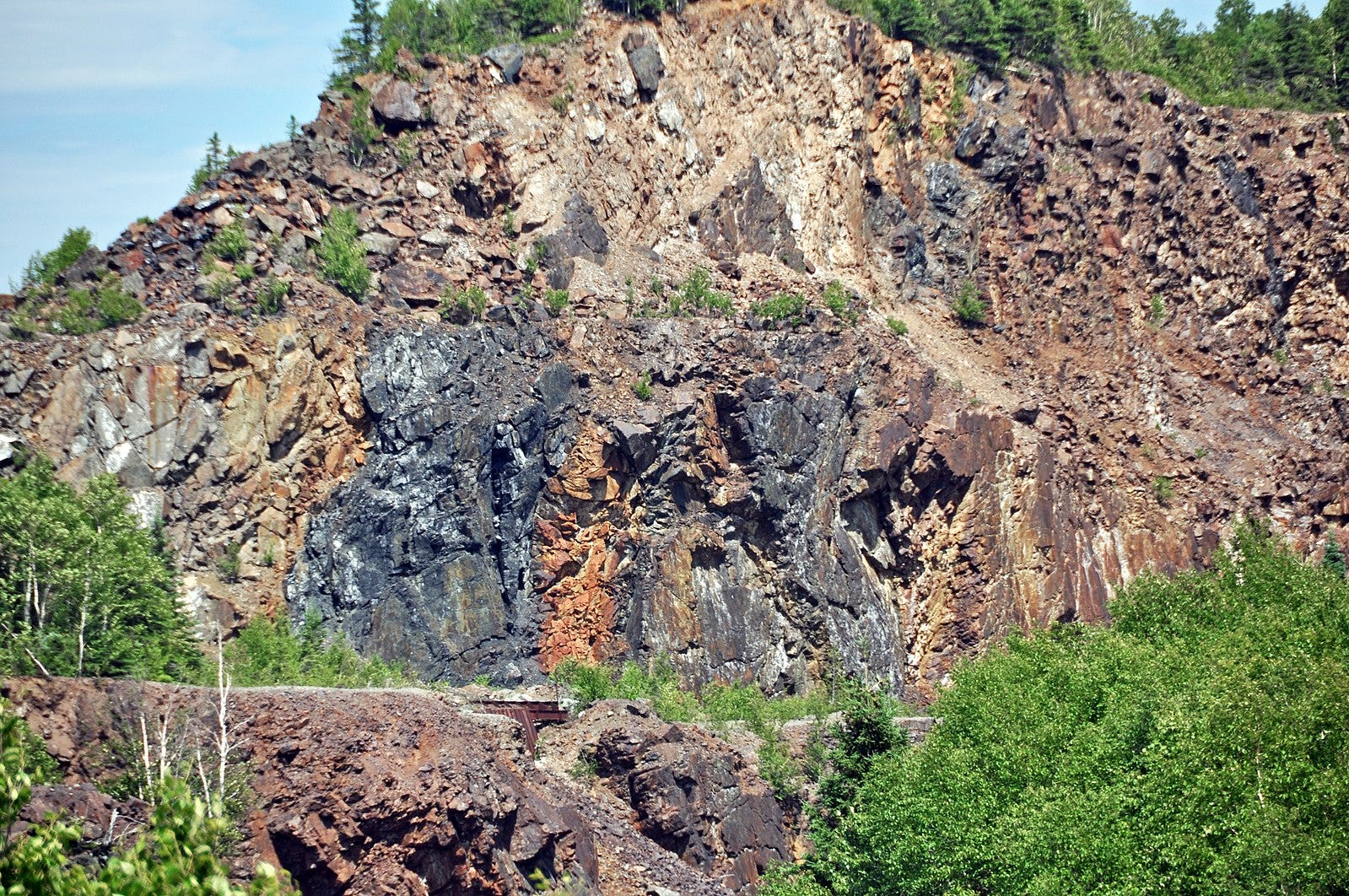

Another recent study suggests that ancient hydrothermal vents may have provided minerals necessary for Earth’s first life, building on the theory that these vents were where life here began. Hydrothermal vents host remarkable forms of present-day life. They may also be key to explaining the long-ago origins of everything that lives on this planet.
Each new discovery points to how much we have left to learn. It’s an exciting time. Yet these mineral-rich formations might become fair game for mining companies before we truly understand them. Modern technology makes deep sea research possible, and (ironically, perhaps), some want to mine the deep sea for materials to make modern technology. But maybe the world can decide to do with a bit less technology, in order to preserve the ecosystems that can show us how life itself works.