Following the Oxygen
The stuff we breathe could help unlock deep sea secrets
In what was probably 2024’s biggest scientific controversy, a team of scientists published some research last summer that seemed to show rocks making oxygen in the deep sea. They called their discovery “dark oxygen.”

This was controversial for two main reasons. First, it broke from the conventional idea that Earth’s oxygen comes from photosynthesis: as plants convert sunlight into energy, they make oxygen. Sure, you can also make oxygen with chemical reactions in a lab. But it’s been widely accepted that meaningful amounts of natural oxygen come only from photosynthesizers like plants – not rocks.
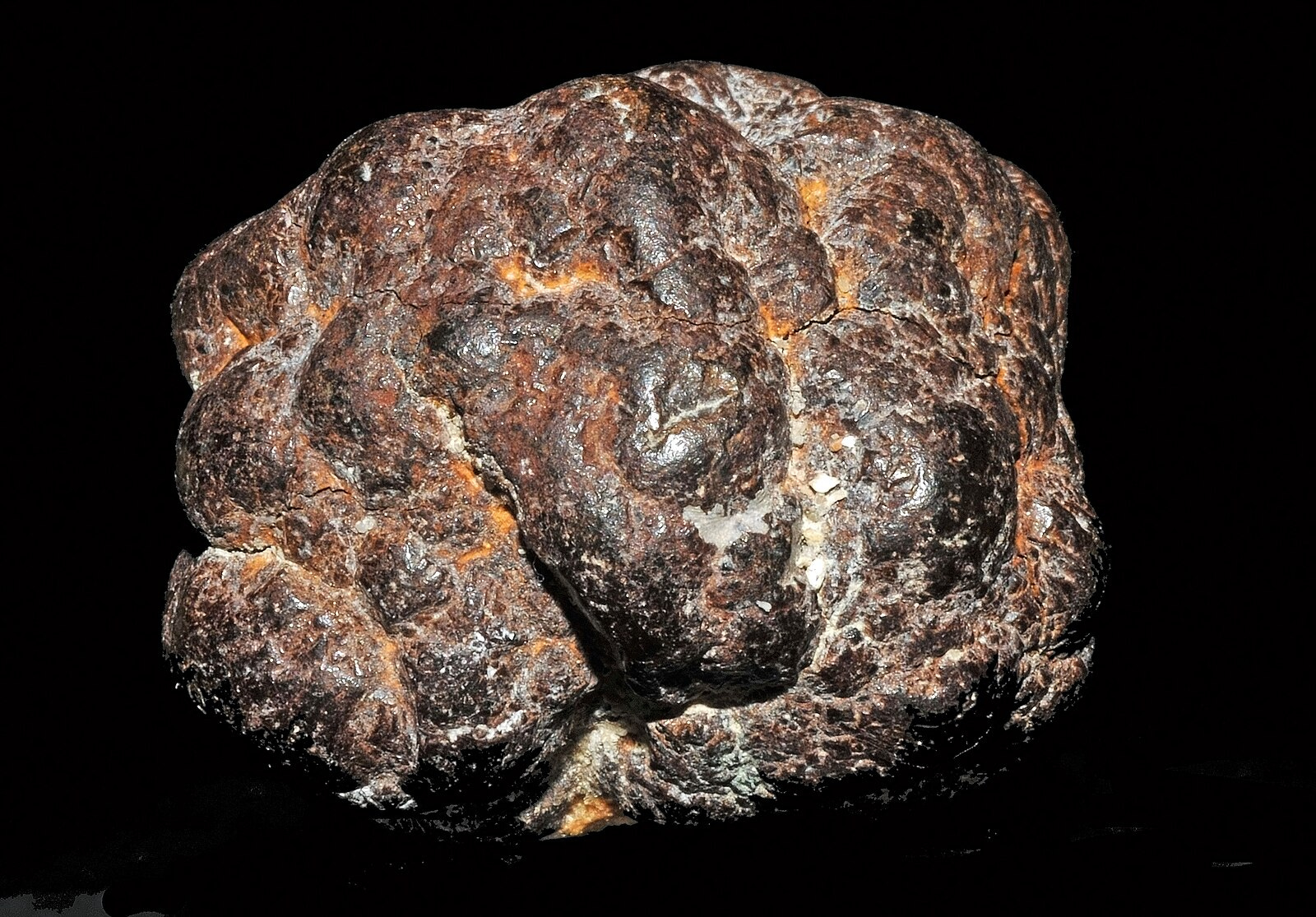
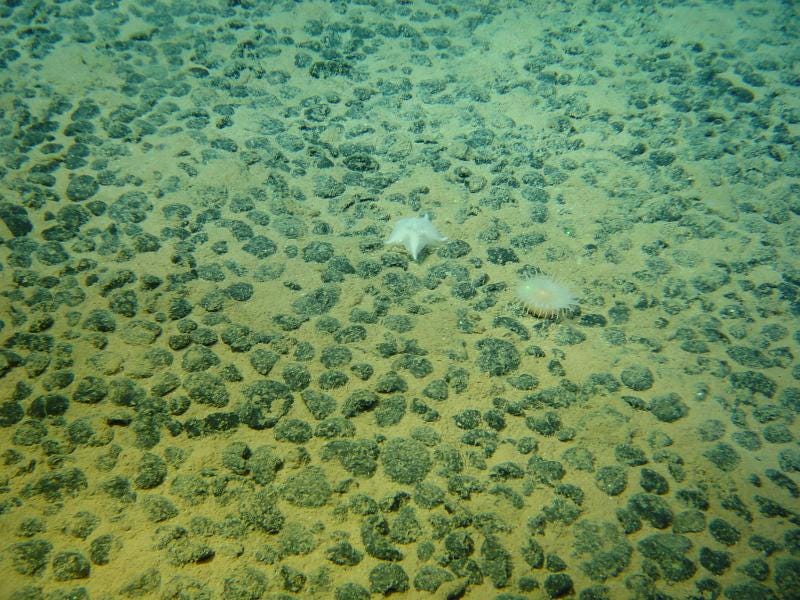
Second, these weren’t just any rocks. They were polymetallic nodules: clumps of minerals that form on the seafloor. Deep sea miners hope to harvest and sell them in the near future; the minerals can be used to make everything from batteries to steel. It’s known that deep sea life often lives on, around, and even inside the nodules. (Most of the life there is, of course, extremely small.) But if the nodules also produce oxygen, that could make them even more important to the ecosystem.

The controversy over the dark oxygen study is far from dying down. Some scientists are critical, claiming that the apparent findings – oxygen coming from deep sea rocks – can’t possibly be accurate, blaming faulty equipment or poor study design. Others are excited, theorizing that this could upend how we understand life on Earth, and even life’s origins.
But many seem to fall in a middle camp: intrigued by the possibility of dark oxygen, curious to explore possible explanations, and wondering whether this could be important for deep sea life.
Now, new research offers one potential explanation for dark oxygen production.
Researchers at the Chinese Academy of Sciences found that two species of deep sea bacteria seem to produce large amounts of oxygen, no photosynthesis required. When exposed to nitrate (a natural compound of oxygen and nitrogen found in soil, air, and water), these deep sea bacteria interacted with the nitrate and released oxygen as a result.
The researchers think this microbial oxygen production is significant enough that other deep sea microbes, and maybe even some animals, may depend on it.
These oxygen makers could live on and in polymetallic nodules, which might explain why the nodules would seem to produce oxygen. The scientists behind the original dark oxygen study tried to kill off the microbes and look at nodules alone. But it’s possible some were left behind in the nodules they studied.
Is this microbial oxygen production common in the deep sea? Is it the true explanation for oxygen that seems to come from rocks? Is it a window into a whole new world of microbial processes we don’t yet understand? As science often does, this latest study raises a whole lot of new questions.
What I think is really exciting, when it comes to dark oxygen, is that we’re watching science unfold in real time. Unlike popular media portrayals, research is rarely about giant breakthroughs and absolute certainty. Instead, scientists routinely make discoveries that either reinforce or contradict earlier findings. (For example, they once thought diseases spread through bad air or were spontaneously generated – then, they discovered germs.)
Each new finding can add a little bit to our understanding of how things work. But each new finding is also at risk of being totally upended by future science.
Dark oxygen could be a finding that will forever change our knowledge of the deep sea. Or, it could be upended by other explanations for oxygen measured in the deep. Time (and more research) will tell. But no matter what, it’s a thrilling line of scientific inquiry: a path to learning more about how Earth’s biggest ecosystem – the deep sea – works.