The Third Option
No ecosystem is worth sacrificing
Not all rainforests are tropical. If you find yourself in certain damp, oceanic places, like New Zealand, Japan, or the Pacific Northwest – where I come from – you can visit a temperate rainforest: equally lush, yet compellingly different from the tropical kind.
As a small child, the temperate rainforest looked to me like the world dinosaurs must have occupied. It was all enormous ferns, ancient trees, and dripping moss, in greens so vivid that the brown tree trunks looked almost red in contrast. Only a few bars of sunlight could penetrate this thick foliage, giving the place a dim, enchanted quality. The forest offered the magic of light, the exquisite silence, and even the chance to spot a weird-looking mushroom.
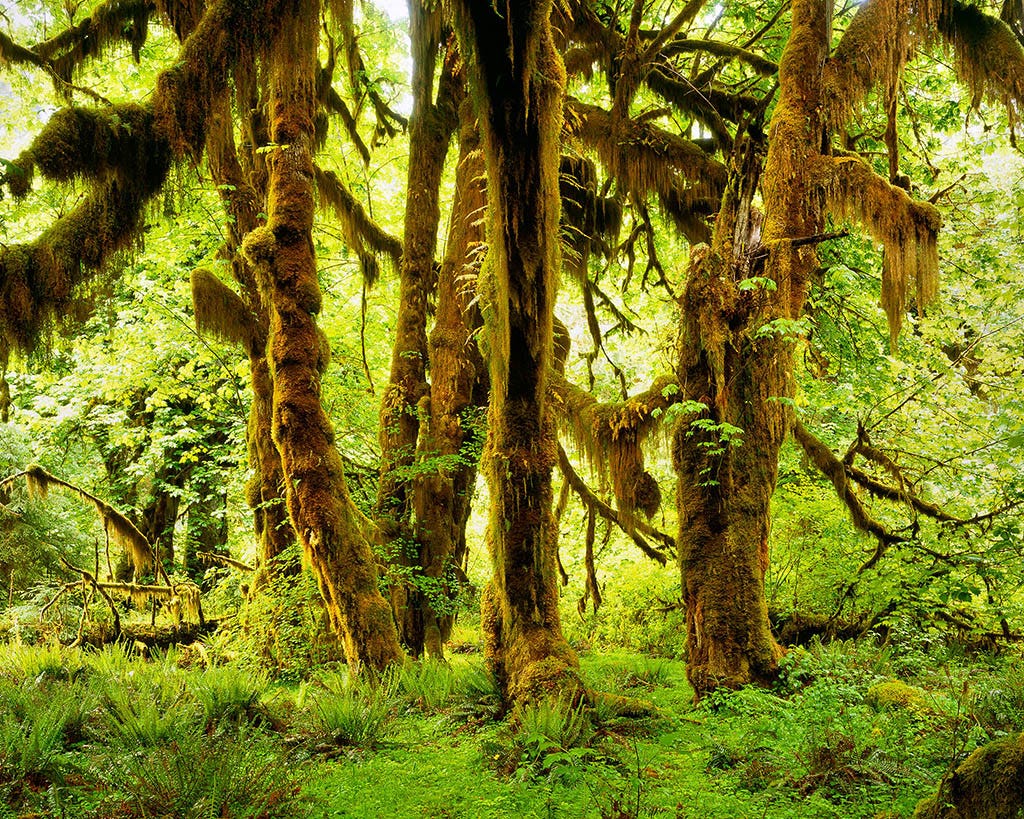
Rainforests, both temperate and tropical, are rich with life, and tropical rainforests are even more biodiverse than their temperate cousins. Some are also home to valuable metal deposits. Mining operations for metals like nickel are already destroying large patches of the world’s rainforests. For deep sea mining advocates, that’s a compelling case for pulling metals from the seabed instead.
The deep sea isn’t biodiverse in the same way a rainforest is. There are lush places, like hydrothermal vent communities – an area near the first one ever discovered was actually nicknamed the Garden of Eden for its incredible wealth of life. But most of the seafloor is relatively sparse. In places with few resources, animals end up living far apart, and many of them are quite small.
The seabed, however, is a much bigger habitat than a rainforest. Given so much space, amazing biodiversity can exist even when individual animals are spread out. Recently, over 5,000 new species were discovered in the Clarion-Clipperton Zone (CCZ), a large section of seafloor between Hawaii and Mexico.
The CCZ is one of the main areas being targeted for deep sea mining.
In addition to new species, the study also looked at many known species, all but six of which have only been seen in the CCZ. If deep sea mining is allowed to move forward there, we may lose both new-to-science lifeforms, and lifeforms that can’t be found anywhere else.
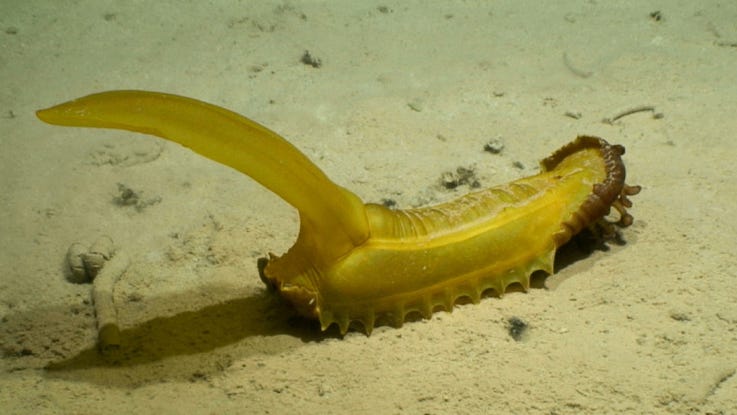
Deep sea mining interests claim that mining the deep sea is better than mining the rainforest, because the seafloor habitat is sparser. Yet sparse though it may be, the ocean floor is biodiverse in its own way, as this new discovery shows. Some compare the deep sea to a desert, but even deserts teem with life.
Growth in the deep sea is also incredibly slow: a CCZ polymetallic nodule (which miners want to harvest) takes two to three million years to form, and provides habitat for deep sea life. Right now, the CCZ is one of Earth’s last true wildernesses. If it’s torn up by mining, this slow-moving ecosystem stands even less chance of recovery than a rainforest does. And, because ocean ecosystems are connected, destroying the deep sea could have consequences for fisheries, or even for Earth’s oxygen supply.
The renewable energy transition doesn’t have to be so metal-dependent, though. An investment in public transit, for example, would reduce the need for electric car batteries, thus reducing the need for rare metals harvested from the Earth. We don’t need to choose between rainforest and deep sea. We can keep life-sustaining ecosystems from collapsing – if we can accept certain changes to the fabric of modern life, like trading cars for trains and buses.
Here are some excellent photos of the new-to-us deep sea life – no less compelling than rainforest denizens, and every bit as worthy of protection.