Artificial Hydrothermal Vents
A concept
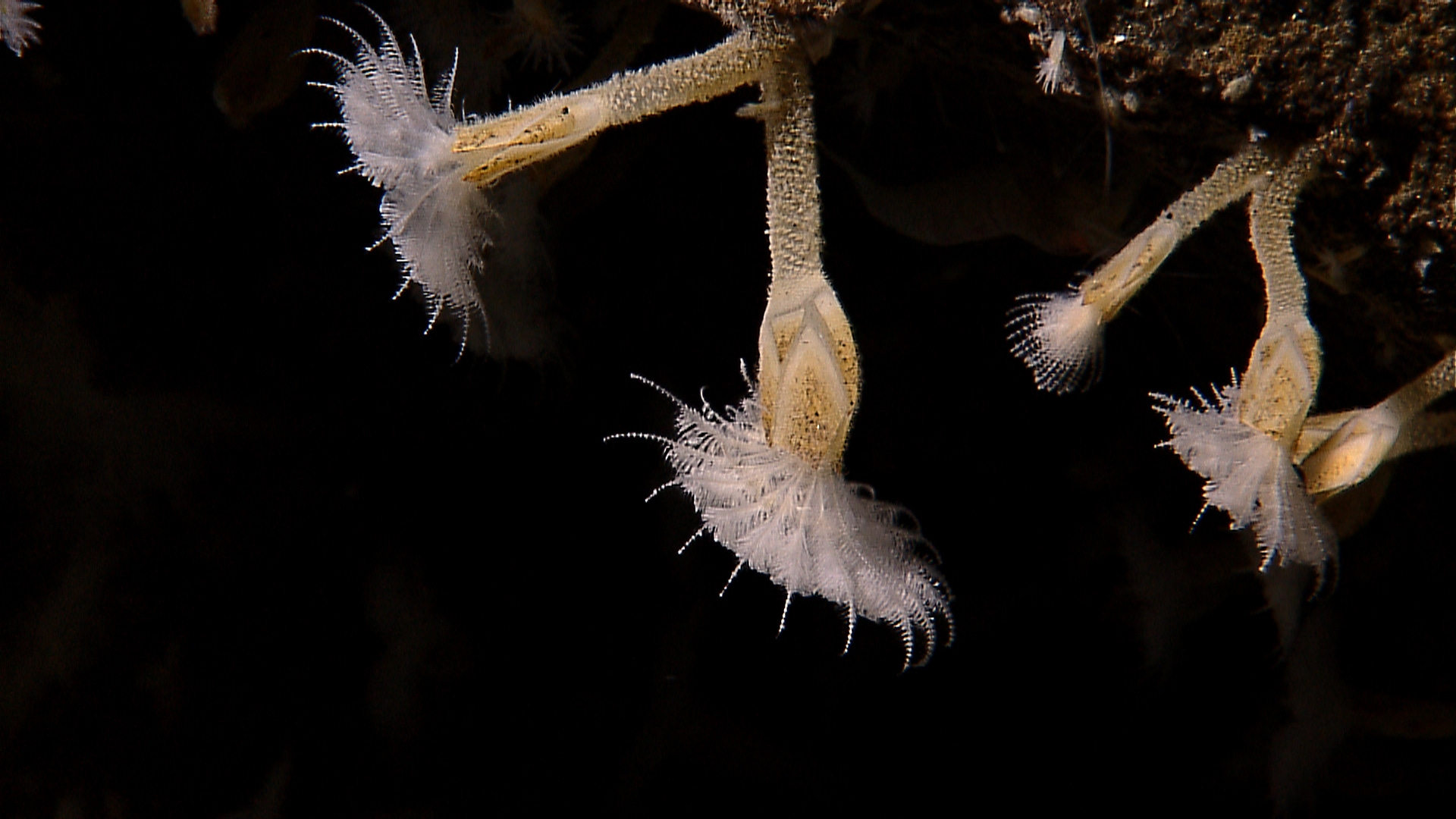
Hydrothermal vents are some of the coolest, and rarest, ecosystems in the deep sea, where it seems like everything is cool and rare. That’s why mining them is even more controversial than mining other parts of the deep.
Some wacky creatures, like the scaly-foot snail, live on just a few vents in the world. Even experimental mining is a threat to them.
So, researchers have recently proposed an alternative: artificial hydrothermal vents. What if, instead of extracting from natural vents, we built our own?
The idea is to drill into the seafloor, so seawater rushes into Earth’s crust. This would mimic what happens at natural vents: seawater flows into cracks in the seabed, becomes super-heated by Earth’s mantle, and comes back up hot and filled with dissolved minerals from the molten rock. (Strange but true, how this creates a place where a bunch of animals want to live.)
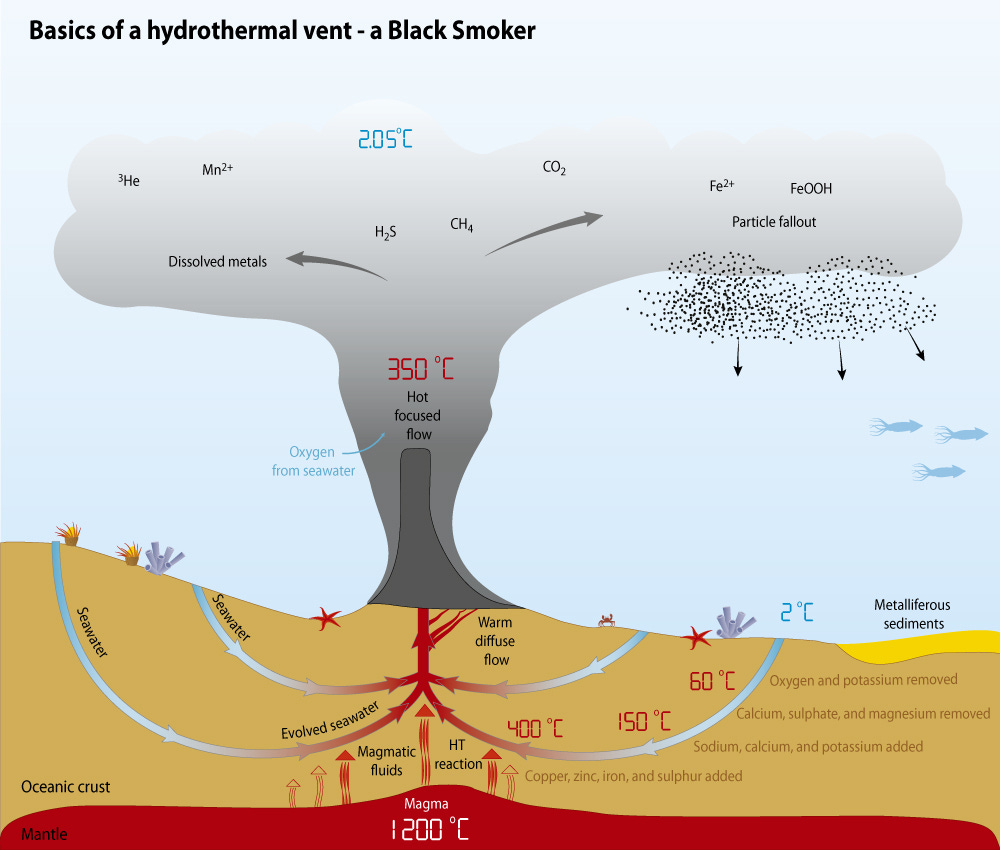
The researchers’ idea is that if we drill deepwater holes to recreate this process, we can harvest the mineral-rich water and extract minerals directly from it. We could also make electricity from the super-hot steam this process would create.
I mean. Yeah. Fantastical as all of that sounds, it’s probably feasible, given enough time and money. Humans have proved themselves to be really, really good at revising and extracting from natural environments. What we’re not so good at is predicting how that’s going to affect us later.
Artificial vents may well be better for the environment than extracting from life-rich natural vents. But there could also be unforeseen consequences. How might the deep ocean shift once we start messing around with Earth’s crust down there?
Elsewhere, a different alternative to deep sea mining has been proposed: seaweed mining. Seaweed naturally collects minerals from the seawater as it grows. Grow enough seaweed, then, and we might be able to harvest minerals from it.
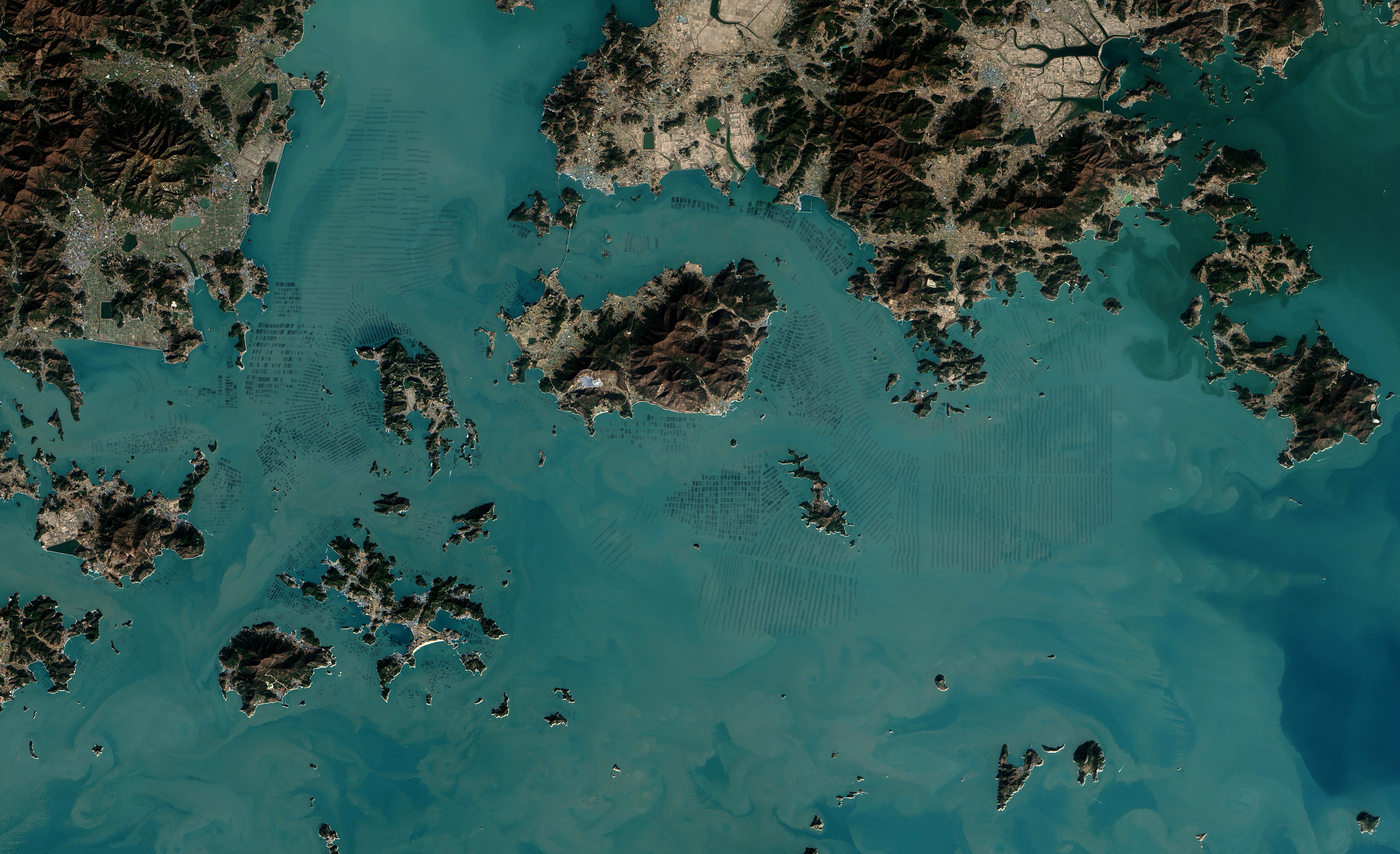
Again, this may be better in some ways than deep sea mining. But it’s hard to predict what else might happen. How would these massive seaweed farms affect the ocean’s wild life?
Creative though they are, these ideas don’t address the real problem, which is that tech-focused modernity depends on minerals and metals in absurd and increasing quantities. There’s an unnerving desperation in the increasingly-complex efforts to grow the material supply and keep modernity alive. And modernity isn’t even that great. I mean, like, its idea of a good time is spending six hours with an iPhone video feed plugged straight into your eyeballs. (Minerals build the iPhones, of course.)
Humans, clearly, are an incredibly innovative species. We’ve innovated ourselves into a lot of trouble so far. But what might happen if we turned our attention toward innovating ways to live well with fewer resources, instead of ways to extract further? More and more, it seems like solving modern problems ultimately leads back to this question. I hope more researchers will get the chance to explore it.