Unexpected Beauty
Visuals and visits unveil life's secrets
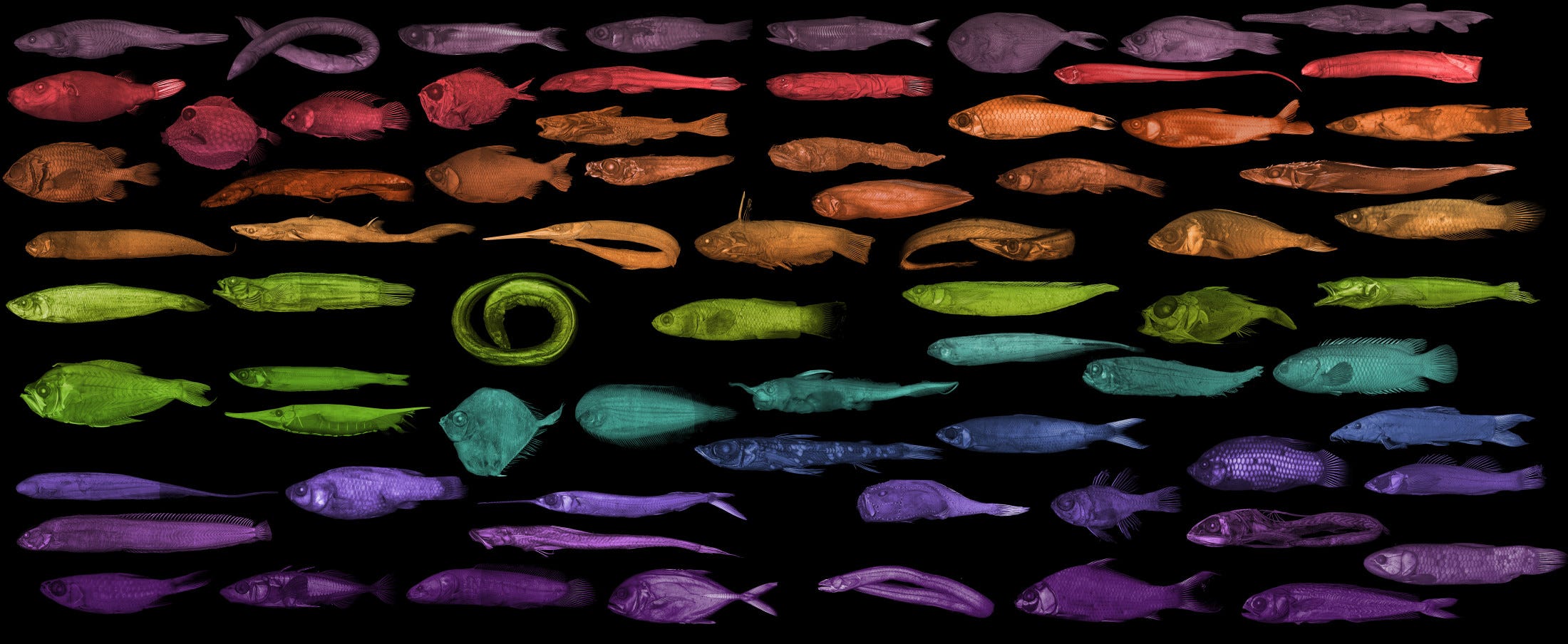
Not so very long ago, scientists believed nothing lived in the deep sea. This idea was called the “azoic hypothesis”, proposed by British scientist Edward Forbes in the 1840s.
It seemed to make sense: after all, the deep sea is cold, dark, and under extreme pressure. Many scientists bought it.
Yet it was completely wrong.
Later in the 19th century this hypothesis was proven incorrect, as broken telegraph cables were pulled up from the depths covered in deep sea life, like clams and corals.
This heralded a remarkable era of discovery that’s been going on ever since.

Some of the major discoveries were relatively recent. In the 1970s, deep sea researchers discovered hydrothermal vents – and a shocking variety of life living on them. The scientists had gone looking for super-hot chemical-laced water venting from the seafloor. They hadn’t expected to find anything living there. A bottle of Russian vodka they had on the submersible was repurposed to preserve biological samples.
In the 1980s, researchers discovered cold seeps, another type of ecosystem where chemicals coming through the seafloor support life. These ecosystems function much like hydrothermal vents do, without the heat. (They’re sometimes called “methane seeps”: many cold seep organisms actually eat methane.)
We’re still learning about the life at these remarkable and remote environments.
A new deep sea worm was just discovered at a cold seep near Costa Rica. Scientists found it by visiting the site in person, in a submersible named Alvin. (That same submersible has been involved in many deep sea discoveries, including that of hydrothermal vents in 1977.)
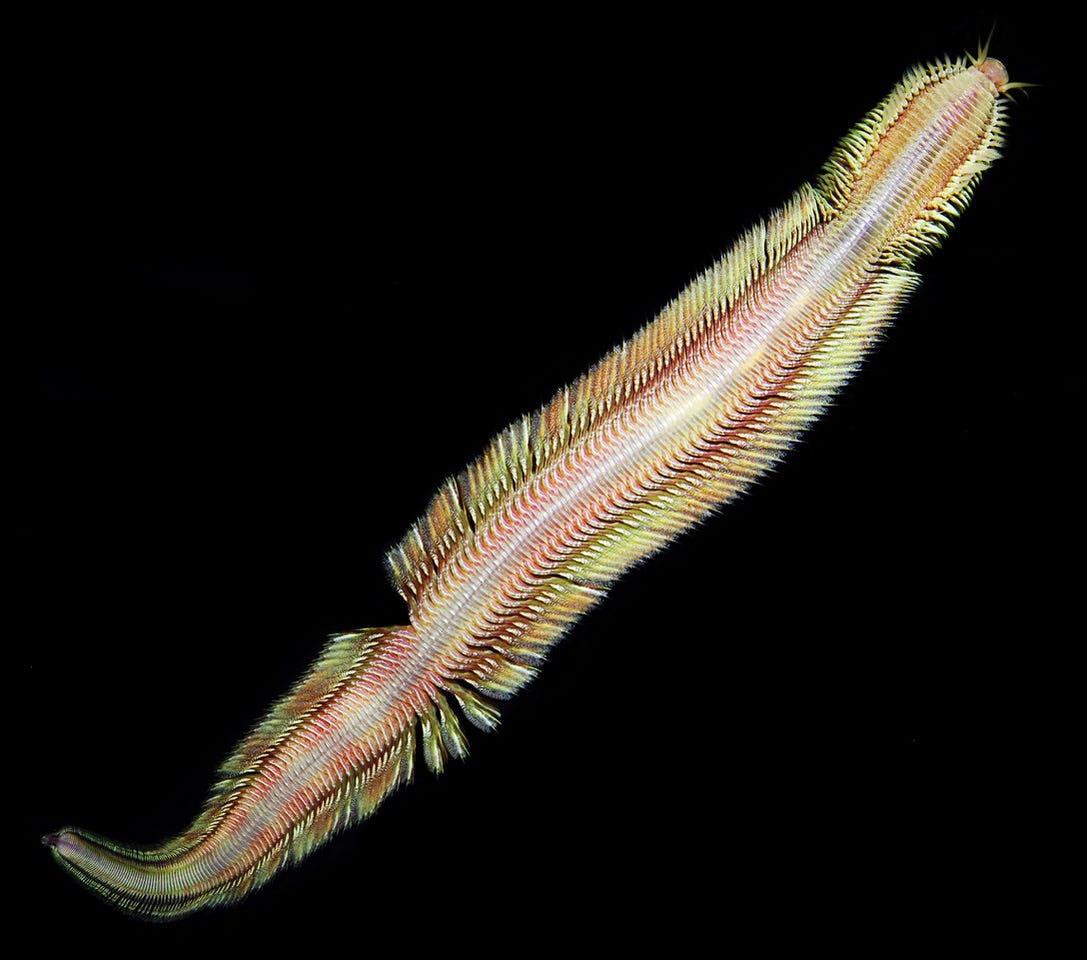
Researchers first glimpsed the unknown worm back in 2009. But more recently, they finally got close enough to identify it as a cool new species. Most of its closest known relatives live in shallow water, making this a pretty remarkable find.
Worms on land aren’t all that good-looking, although they can be environmentally important. Worms in the ocean, on the other hand, are often quite beautiful. “The way this thing moved was so graceful, I thought it looked like a living magic carpet,” said submersible pilot Bruce Strickrott.
It’s through these discoveries that we can see the need to protect the deep ocean. If nothing lived there, it would be easier to hand these sections of Earth over to industrial exploitation.
And it’s not just about discovering new species. New ways to represent known life can also highlight the value of ocean protection.
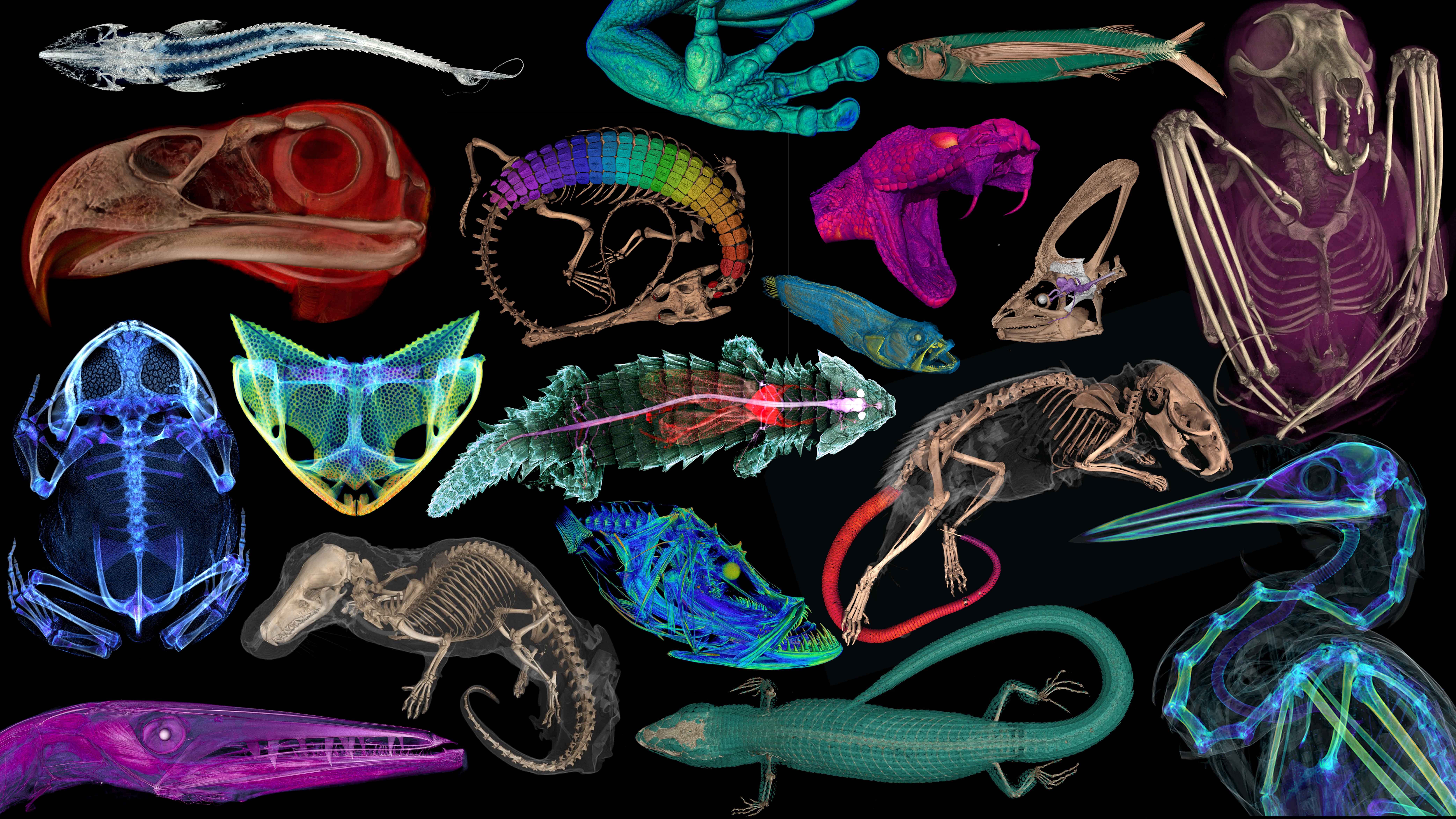
Scientists recently finished scanning thousands of animal specimens from museums, completing the openVertebrate project. The end result? Stunning 3D images that bring science near the realm of art.
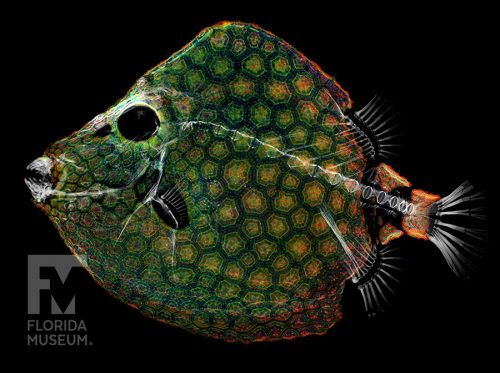
Many of the scans show vertebrates from land or shallow waters. (The deep sea is populated mostly by invertebrates.) However, a few include relatively deep-living species. And all are stunning reminders of the interconnected nature of life on Earth.
These aren’t just pretty pictures: the detailed scans help scientists understand new things about known life. They unlock hidden secrets of anatomy, and even the cause of death for some specimens.
But they’re also important for non-experts to see. As humans, we’re visual creatures. Many ecosystems are hard for people to see up close (including those of the deep sea). These images offer a way to connect with life that lives far away, in ways far different from us. (If you’re curious, you can search the entire collection of over 17,000 images here.)
Much of the deep sea mining debate happens in the realm of policy and abstraction. Portugal combined its Ministry of the Sea and Ministry of the Economy as politicians eyed valuable seabed resources. Norway’s parliament voted for deep sea mining exploration. Then the EU’s parliament voted against Norway’s vote, a symbolic move with no real consequences.
Images of ocean life help us consider the environments impacted by these abstract choices.
At some point, the debate will stop being abstract, and deep sea mining will either begin, or be over. Which path we choose will have consequences for the creatures at home in the ocean, and for everything that depends on the ocean – which is all the life on Earth. Seeing that life is part of making an informed choice.
Thanks for another thought-provoking article. Seems you are becoming an expert about the deep sea. Will you get more into that through an academic route? Or can we find you published somewhere as a journalistic authority on related topics?